The §45L Energy Efficient Home Credit provides a per-unit tax credit to builders of qualifying energy-efficient single-family and multifamily homes. This incentive has been available since 2006 to encourage the construction of homes that meet specific energy-saving standards. Starting January 1, 2023, stricter energy efficiency requirements apply, with higher credit amounts available for units meeting those updated criteria. To be eligible, homes must be certified and sold or leased for use as a residence by June 30, 2026.
The One Big Beautiful Bill Act (OBBBA), signed into law on July 4, 2025, terminated the §45L tax credit for qualified homes after June 30, 2026. While the credit is no longer available under current law, it has expired and been extended several times in the past. Future legislation could potentially reinstate the credit.
Buildings Higher Than Three Stories are Eligible
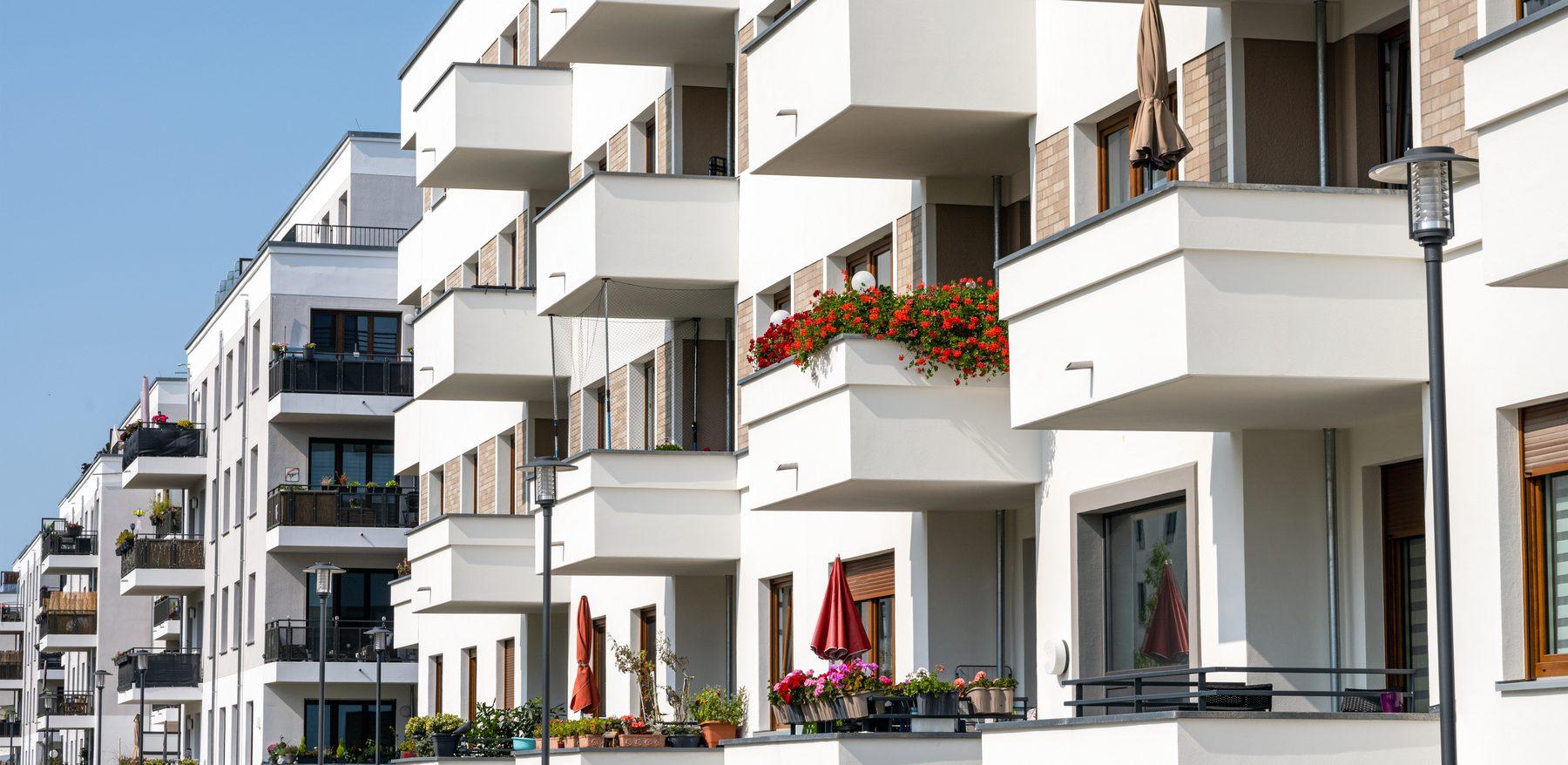
Beginning 2023, all residential buildings are eligible. Homes leased or sold as a residence within buildings higher than three stories are eligible, including:
- Low-rise: 1-4 stories
- Mid-rise: 5-9 stories
- High-rise: 10 or more stories
§45L Credit for 2022 and Prior
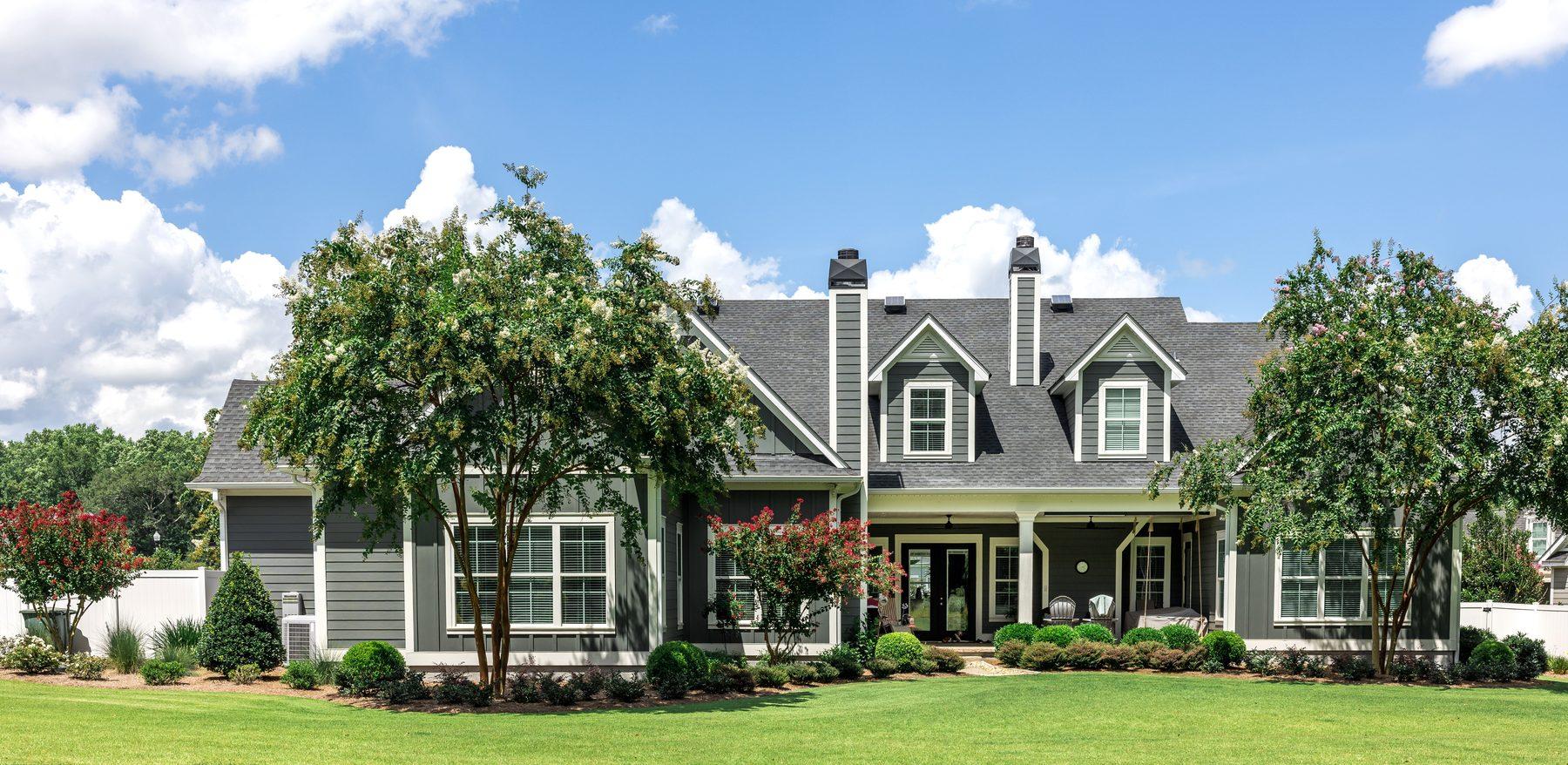
For residences leased or sold prior 2022, single family homebuilders and multifamily developers can benefit from the §45L Credit. The maximum credits per dwelling unit are:
- $2,000 per unit for new energy-efficient home.
- $1,000 per unit for manufactured homes.
Requirements for 2022 and Prior
The credit applies to single-family homes as well as apartment complexes, assisted living facilities, student housing and condominiums. Each unit in a multifamily residential facility may qualify.
An eligible contractor must have constructed a qualified energy efficient home, as well as owned and have had a basis in the home during its construction. Both new construction and renovations to existing residences are eligible when they meet the following qualifications:
- Certified to provide an annual level of heating and cooling energy consumption that is at least 50% below a comparable dwelling unit constructed in accordance with the standards of 2006 IECC.
- Improvements to the building envelope that provides at least one fifth of the 50% reduction in energy consumption.
- Three stories above grade or less in height.
- Sold or leased as a residence (the credit can be taken retroactively for three years back or to any open tax year).
Case Study
Each unit in a newly constructed apartment community qualified for the $2,000 per unit §45L Credit. With 220 units, the developer received a total tax credit of $440,000.
Our Service
Our §45L Credit team includes HERS raters and tax professionals who will perform free assessments to prequalify your homes. Our study includes:
- Reviewing construction documents.
- Interviewing design professionals, project managers, and other relevant personnel.
- Performing necessary testing and inspections.
- Modeling energy efficiency using IRS-approved software.
- Preparing certificates of compliance signed under penalties of perjury by a HERS rater.
- Coordinating with your tax preparer.
- Providing free audit support.

 45L · 1 min read§45L Energy Efficient Home Credit Ends in 2026 Under OBBBA
 45L · 3 min readIRS Provides New Guidance on the §45L Energy Efficient Homes Credit via Notice 2023-65
 45L · 2 min readENERGY STAR v3.2 / v1.2 Implementation Date Extended to 1/1/2025 for Connecticut, New Jersey, Oregon, Vermont, and Washington